NY Digital
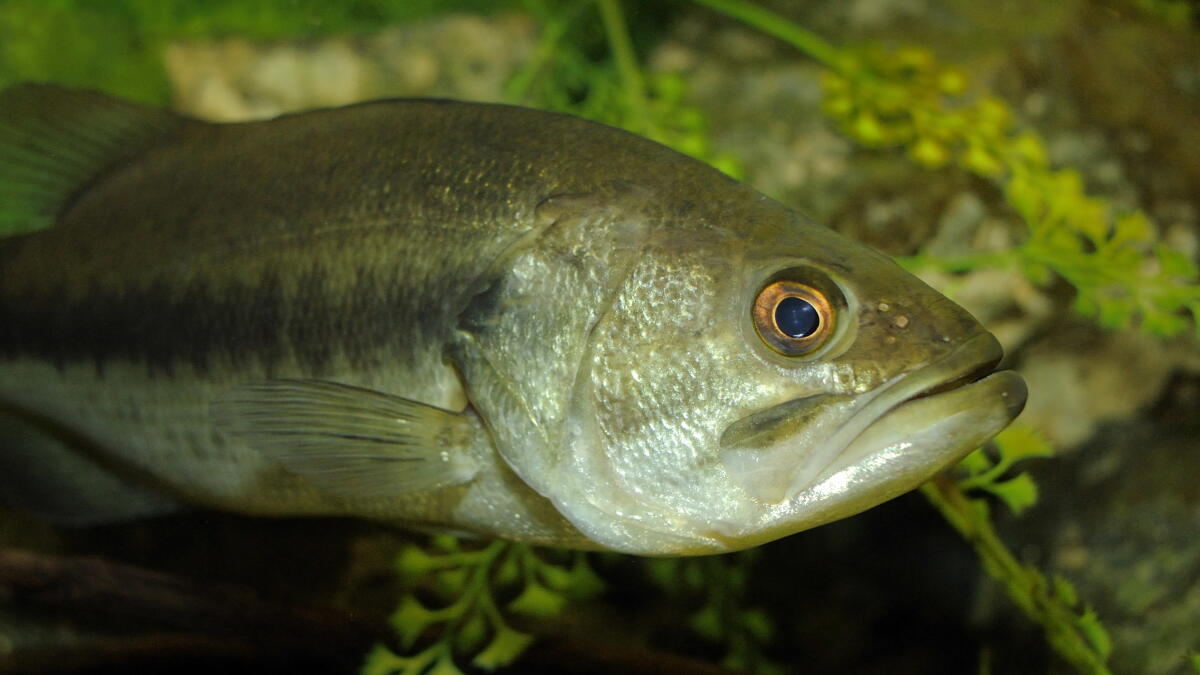
A virus deadly to fish has made its way to California, threatening the state’s largemouth bass population and its popular and lucrative fishery. Officials announced the arrival of the disease on Thursday. It was discovered in September at a 232-acre private, gated lake in Nevada County called Lake of the Pines.
It is unclear how the virus was introduced; the lake had not been stocked with largemouth bass in decades. The virus, known as Largemouth Bass Virus, or LMBV, is highly pathogenic and while specific to largemouth bass, it can cause disease in other fish, including smallmouth bass. Other fish, such as bluegill, spotted bass and crappie can also be infected, but rarely show signs of disease.
It does not harm people or other warm-blooded animals, such as dogs, mammalian wildlife or birds. Largemouth bass are a popular sport fish in the state. There are roughly 1,500 black bass tournaments in California every year, a category that includes largemouth, smallmouth and spotted bass.
The virus also can be introduced by contaminated equipment, infected baitfish or other carrier species that are infected. Peter Tira, spokesman for the California Department of Fish and Wildlife, said his agency was first notified of a problem soon after Labor Day weekend when residents of the lake community reported a massive die-off of largemouth bass. More than 220 fish died, including some blue gill.
Tira said such die-offs are not that unusual that time of year, when water is warm and oxygen is low. Further testing revealed the culprit. Signs of the disease, aside from death, include skin sores or ulcers, darkened skin, swollen body, bulging eyes, redness, lethargy, erratic swimming behavior, surface swimming, difficulty submerging, and damaged tissue.
Internally, they can have an over inflated bladder, pale organs and dead tissue. Kevin Kwak, a fisheries veterinarian with the state Department of Fish and Wildlife, said the arrival of the virus was probably inevitable. “I do think it was a matter of time,” he said.
“We’ve been trying to prevent it. We have importation requirements and things like that.” The virus was first discovered in Florida in the early 1990s. The origin is not clear, but researchers at the United States Geological Survey suspect it came from Southeast Asia, where two similar viruses are present.
Those had been detected earlier in aquarium fish imported into the U.S. Outbreaks have been detected now in 30 states. The arrival in California is the first indication it has arrived on the West Coast.
When the virus hits a lake, it is largemouth bass that suffer the most, said Tira. He said bigger and older fish are particularly vulnerable. One the virus is established, those that survive will generally build resistance to the disease.
“It’s like they were vaccinated,” said Kwak. Kwak and Tira say anglers should be mindful to drain bilge water out of their boats, and clean their equipment with tap or municipal water before fishing in a new lake or body of water to prevent spread. They also should not move fish — dead or alive — from the lake unless they are going to eat it.
They urge people to place all fish parts along with leftover bait in the trash, and handle any catch which the angler plans to release with care: Stress appears to increase fatalities. State officials are working to determine if the virus is present in other water bodies. Sean Bothelio, general manager of the Lake of the Pines Association, said fishing has rebounded in the lake since the die-off, and it doesn’t appear to have reduced the population noticeably.
He said some fish still show sores that appear to be healing, but most bass being caught don’t have any visible signs of disease. “Bass fishing is extremely popular here,” he said in an email, describing the lake as a “trophy” bass fishery. He said many residents have told him they moved to the community specifically for the fishing.
More to Read
Source: Los Angeles Times